

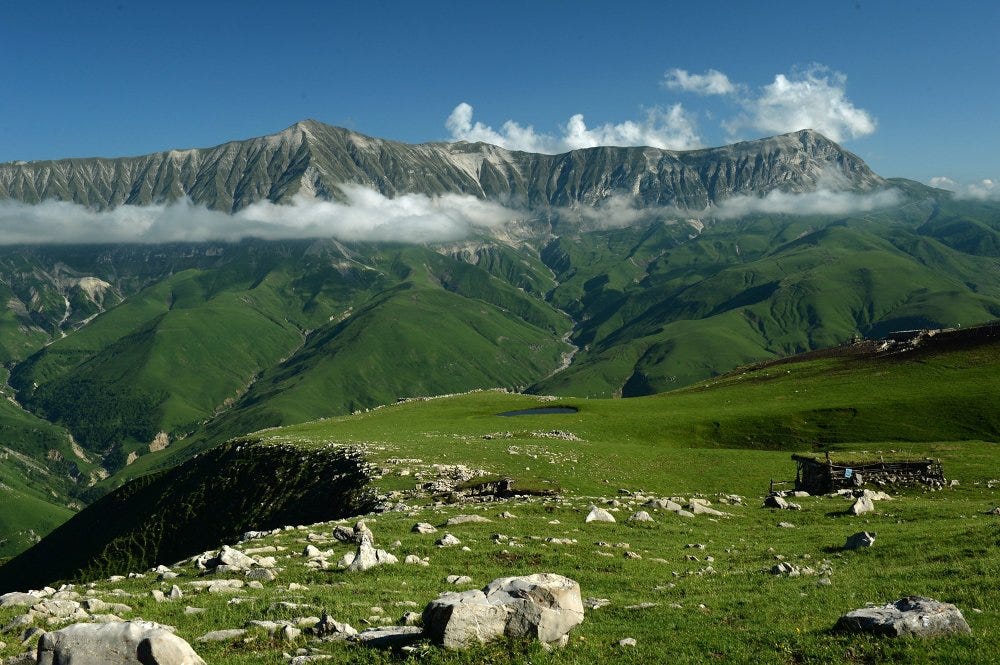
No presentation of music of the post-Soviet world would be complete without the unique and amazing sounds of the Caucasus. Since much of the music of the region is tied to the traditional dance form known as Lezginka, the majority of the music presented here is in that style. As usual, my preference is for female vocalists, but that’s not unusual for the Caucasus, where female singers tend to dominate the popular music scene. In order of appearance:


Anora Bagomedova Elina Dagaeva


Zalina Gorchkhanova Medina Dombayeva


Radima Hadjimuradova Petimat Esnakaeva


Seda Mukaeva Kheda Tutaeva
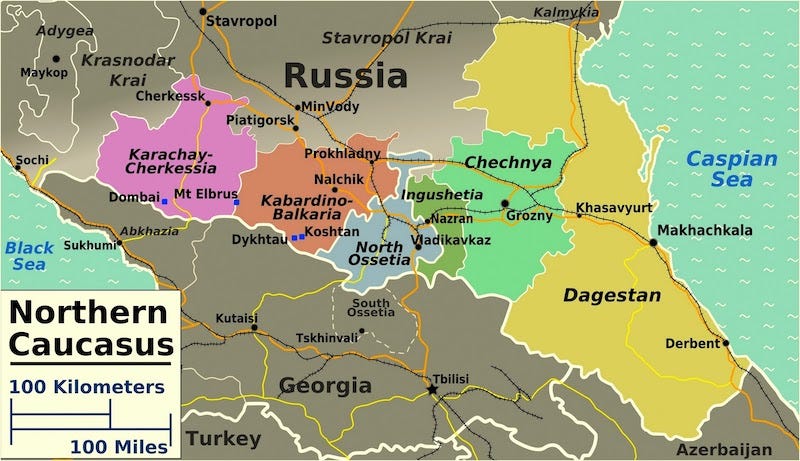
Most of the artists featured here are Chechen, with Dagestan and Ingushetia also represented. If you’re from one of the other Republics please don’t feel neglected. I’ll be presenting your artists, as well as music from the South Caucasus nations of Georgia, Armenia and Azerbaijan in upcoming programs.
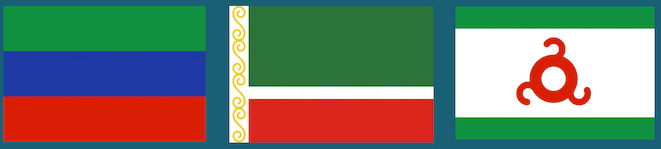
Dagestan Chechnya Ingushetia
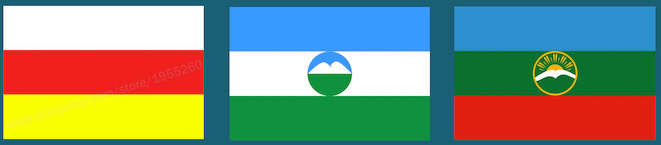
North Ossetia Kabardino-Balkaria Karachay-Cherkessia
The National Caucasian Dance Ensemble Lezginka, Dagestan Republic.
The more informal style of Lezginka at a wedding in Ingushetia.
Weddings are a big deal across Central Asia, the Caucasus and the Middle East. Typically a popular singer is hired, and a video is made of the event. Professional or amateur dancers may be included. The videos are often posted to YouTube where they’re a good source of entertainment and information if you’re interested in a variety of different music and dance styles.
One of the more unique styles, Lezginka reflects the traditional values of the Caucasian people, symbolizing a man’s efforts to attract a woman’s attention, while the woman remains graceful and aloof, neither accepting nor rejecting his advances.
There’s a significant Caucasian diaspora in the western world, so if you’re interested in this style and live in a big city, chances are there’s a Lezginka dance group in your area. Who knows, you might even be invited to a Caucasian wedding!
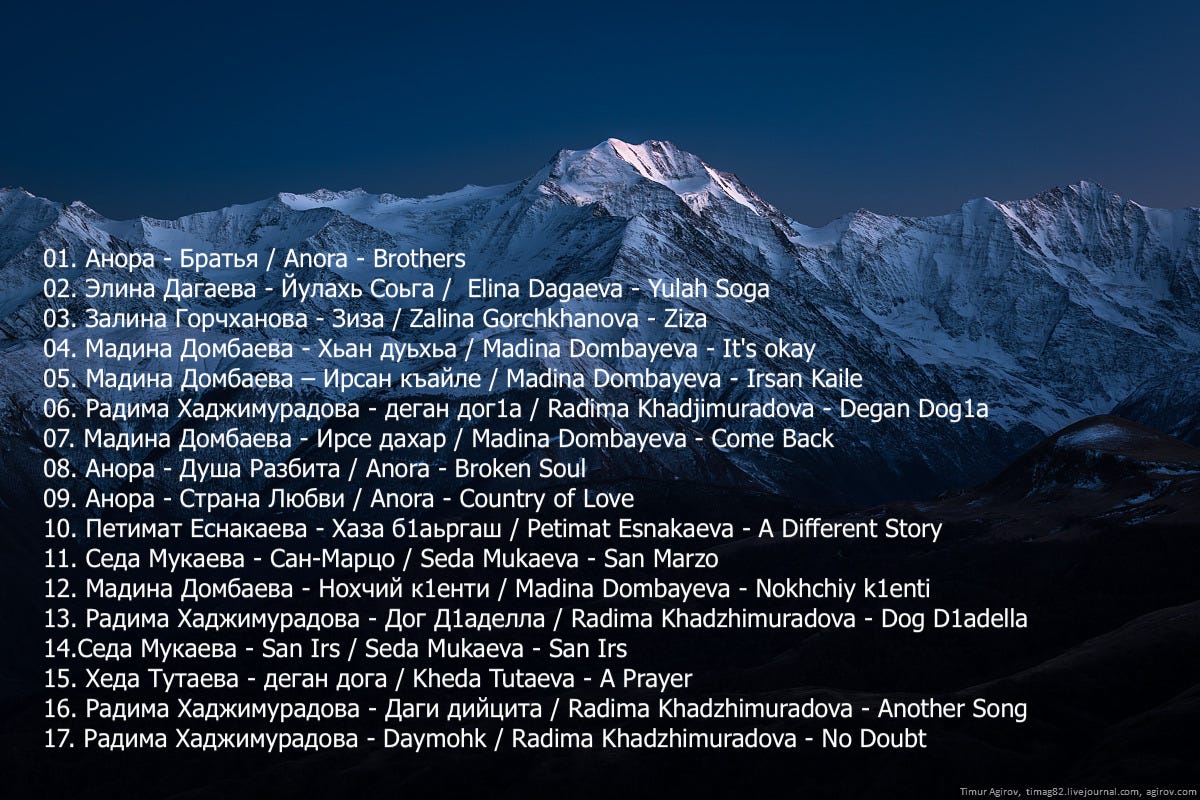
About translations: I don’t speak any of the languages of the region, so my efforts at translating song titles fell short, and where I had doubts I left them alone. If anyone can help with translations please post in the comments. Same goes for lyrics, which are hard to find for some of these songs.
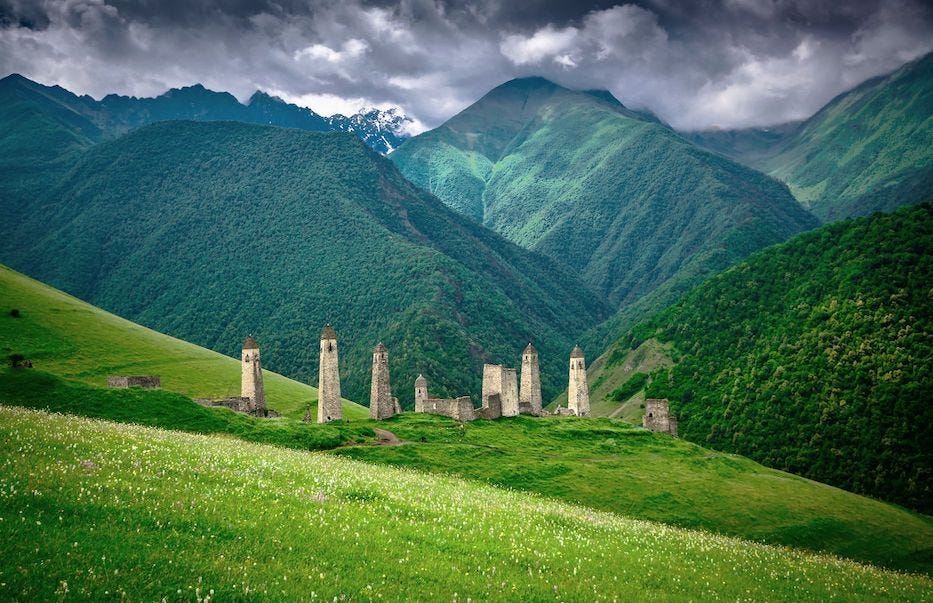
The Caucasus would have made a great setting for Lord of the Rings.
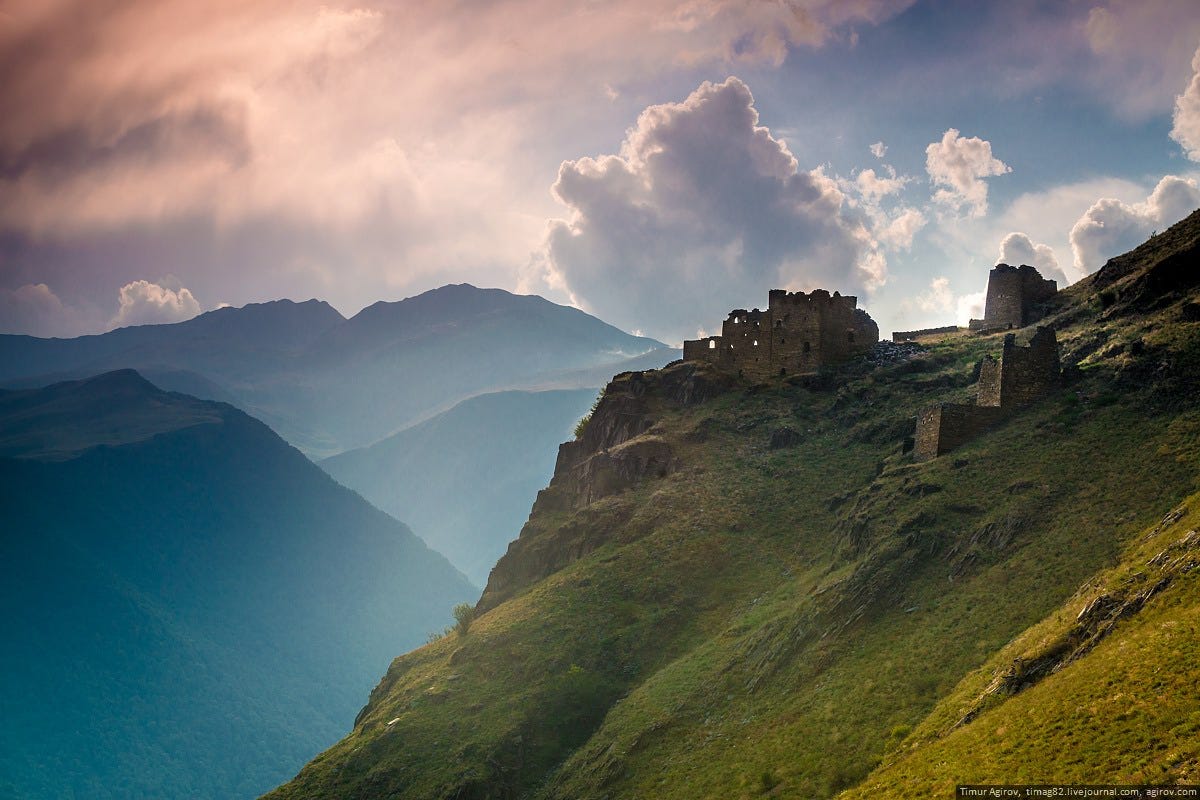
A final note of thanks to the musicians, producers and studio engineers that helped make these excellent recordings. Great work guys! I may not know your names but I can sure hear your work, and it’s definitely first rate.

Except for the gliding eeriness of the costumed Dracula dance, I hated the frenetic male dancing. It's a cultural turn off. No wonder the females remain aloof and stiff w/ fright. The sped up rhythms of the songs match the staccato male dancing but to my ear they prevent the establishing of any dance floor groove. I couldn't begin to bop and weave to this stuff, whereas the Tatar stuff seemed inviting to try out some moves. The music itself seems mechanical or artificial and kind of cheesy at times. Like somebody blowing on a kazoo. For the most part the female singers do a creditable job. And your maps and flags provide necessary cultural aid.
I'd like to see a band cranking this stuff out live. Or is it primarily a studio creation? My ears were exhausted trying to keep up w/ it.
Eisely has weak stage presence. They seem depressed. Only found one song that was rock. I've heard this genre before, but fronted by divas w/ strong images usually gothic. I like more theatricality w/ melancohly. Heard and saw no connection w/ the Beatles other than the girls can sing. Yes, the harmonies are good and the girls pretty, but I need more than that.
Manson is not what I'd consider a conspiracy theorist. One deranged man's take on one album does not constitute a theory about the Beatles. There's a lot to chew on about their careers post Beatles. Why didn't John or Paul write genius songs after the Beatles?